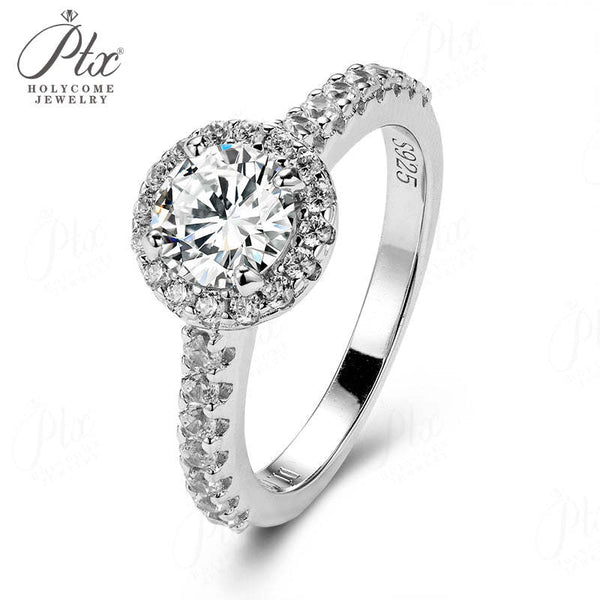
Emerald in Silver vs Gold: The Metal Gap Priced

Quick Answer
Across our entire catalogue, silver variants median $137.27 and gold variants median $355.63 — roughly a threefold gap. Swap the metal on an emerald piece and that multiplier follows the metal, not the stone.
Emerald styles in our catalogue median at $23.50. Whether that lands on the silver or gold side of the divide depends almost entirely on what the setting is made of.
The catalogue-wide metal gap
| Metal | Variants | Median | Range |
|---|---|---|---|
| Silver (925 / sterling) | 5,390 | $137.27 | $23.84 – $2,912.00 |
| Gold (9K–18K) | 6,603 | $355.63 | $12.00 – $12,272.40 |
Those are variant counts, not style counts — 5,390 silver combinations and 6,603 gold ones. The medians are computed per variant, which is the right unit when the metal is what varies.
Why gold costs what it costs
Three inputs stack: the raw metal price per gram, the alloy (18K carries more gold than 10K), and the extra finishing labour that fine gold work demands. Silver has one favourable property the gold alloys do not — it is easy to work and cheap to replace, so repairs and resizing cost less.
What that means practically: a gold emerald ring is not a silver ring with a more expensive metal bolted on. It is a different piece with different labour, and the price reflects both.
When silver is the right answer
- Fashion or occasional wear. Silver at $137.27 median delivers the emerald colour at a fraction of the gold price.
- Testing a colour. If you are unsure whether green suits you, buy it in silver first.
- Gifting where taste is uncertain. A silver piece you can replace costs less than one gold piece you regret.
When gold earns its premium
- Daily wear. Gold alloys resist tarnish better than silver and hold fine settings longer.
- Heirloom intent. If the piece is meant to last decades and be passed on, the metal matters more than the stone.
- Skin sensitivity. Some wearers react to the copper in sterling silver alloys; 14K or 18K is the safer route.
The comparison, stated once
Silver emerald styles: 7, median $99.18. Gold emerald styles: 0. That is the whole picture in our catalogue — there is no gold emerald piece in current stock, so any "gold emerald price" you read here would be invented.
What we can say is what the same stone costs in different settings, and what the metal itself costs across the wider catalogue: silver medians $137.27, gold $355.63. That multiple is the number to carry in your head when you are quoted a gold emerald elsewhere.
Why our emerald range is silver-heavy
Emerald in gold is a commission product rather than a stock product, for a simple reason: the metal cost pushes the piece into a price band where buyers want to choose the stone themselves. Stocking it would mean guessing at a combination most buyers would rather specify.
So the range stays silver and the gold work happens to order. If you want a specific green in a specific gold, that is the route.
Estimating a gold version of a silver piece
Three inputs, in order of size:
- Metal cost. The catalogue-wide multiple between the two medians.
- Weight. A heavier design uses more metal, so the multiple applies to a bigger base.
- Karat. 10K is cheaper per gram than 18K; 14K sits between.
Multiply, then add the setting labour, which does not change with the metal. The result is an estimate, not a quote — casting, finishing and stone matching all move it. But it will put you in the right band rather than off by an order of magnitude.
The durability trade
Gold prongs hold an emerald more safely over years than silver prongs, and emerald is a stone that punishes a loose setting. For a piece worn often, that argues for gold even at the premium. For occasional wear, silver is fine and the saving is large.
This is the one place where the cheaper option is not simply worse value — it depends entirely on how often the piece leaves the box.
What to ask when commissioning
Ask for the metal weight in grams, the karat, and the stone's dimensions in millimetres rather than carat alone. Emerald is bought on colour and clarity, and millimetre dimensions tell you how much of the stone you will actually see — which is what you are paying for once it is set.

FAQ
Is a gold emerald ring three times better than silver?
Three times more expensive, not three times better. The extra buys metal value, tarnish resistance and finer work. Whether that is worth it depends on how often you wear it.
What is the median emerald price in your catalogue?
$23.50 across 25 styles, from $16.84 to $913.39.
Can I get the same emerald style in both metals?
Often yes. Many of our styles list silver and gold variants on one product page. The listing opens on the cheapest combination, so check the variant selector before you assume the shown price is the one you want.
Does 18K cost much more than 14K?
Yes, and not linearly. 18K carries a higher gold fraction and is softer to work, so labour rises too. Compare the actual variants on the product page rather than assuming a fixed ratio.
Which metal holds an emerald better?
Both hold a well-made setting. Gold alloys are harder-wearing over decades; silver is easier and cheaper to repair. Emerald itself is the fragile element, so setting quality matters more than the metal choice.