Why Stones Come Loose: Prong Wear and the Monthly Check

A loose stone is almost never a stone problem. It is a prong problem, and prongs are mechanical parts that wear like any other.
How prongs hold a stone
A prong is a small metal post bent over the edge of the stone (the girdle). The stone is held by the spring tension of the metal pressing down. There is no adhesive, no clamp, no mechanical interlock — just pressure.
That means three things can fail:
- The metal wears thin and can no longer hold tension
- The prong is pushed back by impact and stops covering the girdle
- The joint where the prong meets the setting cracks
Why it happens, in order of frequency
1. Normal wear. Prongs are the most exposed part of any ring. They contact everything the hand touches. In 14K gold, expect prong tips to wear noticeably within 3–5 years of daily wear. In 18K gold, faster — 18K is softer. Platinum wears slowest.
2. Snagging. Every time a prong catches on a sweater, a hair strand or a pocket, it bends slightly. Bend it enough times and it stops returning to position. This is why the number one sign of a loose stone is "it keeps catching on things".
3. Impact. Hitting the ring against a door frame or a counter can lift a prong off the girdle in a single event.
4. Cleaning and chemicals. Chlorine and harsh cleaners attack the alloy in the setting, weakening the prong base. This is why you take rings off before swimming and cleaning.
The early warning signs
A stone rarely falls out without warning. The signals, in the order they appear:
- Snagging — the ring catches on fabric or hair where it did not before
- A clicking sound — tap the ring gently near your ear; a loose stone rattles
- Visible gap — a prong no longer touches the stone; a sliver of light shows between prong and girdle
- The stone moves — press gently with a fingernail; if it shifts at all, stop wearing the ring
Any of these means: stop wearing it, put it in a box, take it to a jeweller. Tightening a prong takes minutes. Replacing a lost stone costs far more — and if the stone is a matched pair or a specific certificate, it may not be replaceable at all.
The one-minute monthly check
Once a month, in good light:
- Hold the ring so light passes through the stone from the side.
- Look at each prong where it meets the stone. The metal should touch the stone with no gap.
- Gently press the stone with a fingernail from four directions. It should not move.
- Look for thinning — a prong that looks noticeably slimmer than the others is wearing unevenly.
This takes sixty seconds and catches almost every problem before it becomes a lost stone.
Prong types and their wear characteristics
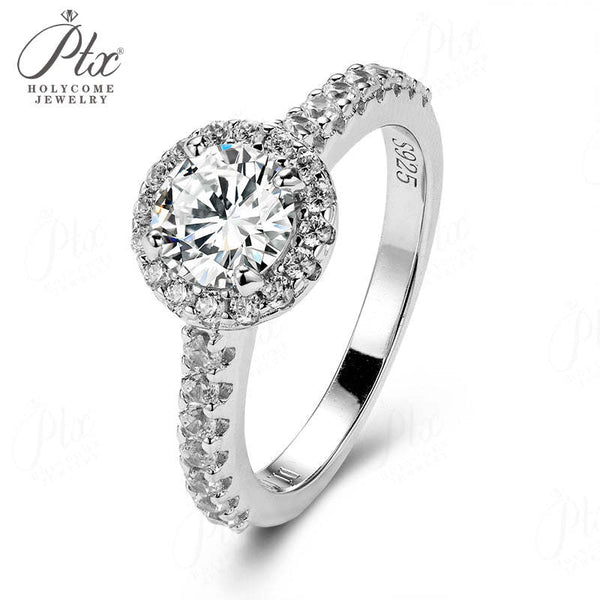
- Four-prong — the least metal, the most light. Each prong carries more load, so wear is faster per prong. Fine for occasional wear, riskier for daily.
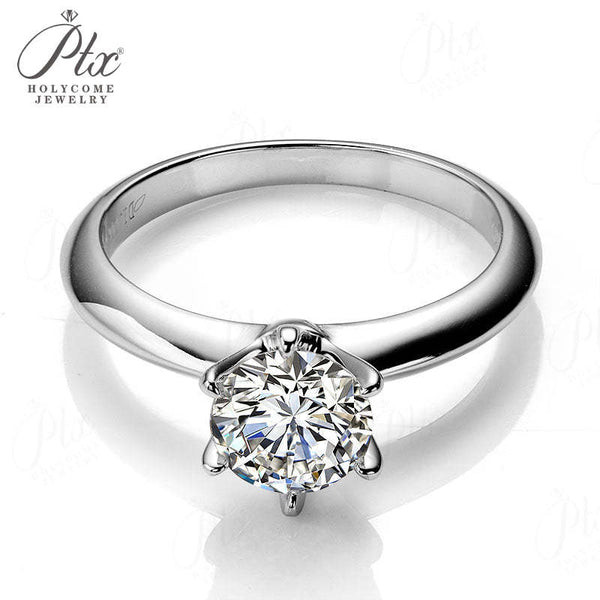
- Six-prong — load distributed across more points; each prong wears slower. The practical standard for daily-worn solitaires.
- Double-claw — two thin claws where one prong would be. More contact points, better grip, slightly more visible metal.
- Bezel — no prongs at all. A continuous rim encircles the stone. This is the only setting with no prong wear. It is why bezels are recommended for constant wear, children, and active lifestyles.
Metal choice and prong life
- 925 sterling silver — prongs wear relatively slowly because silver alloys are harder than pure gold, but silver is softer than 14K in absolute terms when alloyed this way. Re-tipping is possible but limited.
- 14K gold — the practical sweet spot. Hard enough to hold shape, soft enough for a jeweller to work with repeatedly. Prongs can be re-tipped many times over decades.
- 18K gold — richer colour, noticeably softer. Prongs wear faster and re-tipping works well but happens more often. Not the best choice for a daily-worn prong setting.
- Platinum — the most durable. Platinum does not wear away so much as displace; a jeweller can re-polish it back. The lowest maintenance option for prong settings.
What to do when a prong fails
Never wear the ring. A stone held by three prongs instead of four is one impact away from being lost.
Take it to a jeweller. Retipping one prong is a routine job — usually same-day or a couple of days, and inexpensive. Full re-tipping of all prongs costs more but is the correct fix when several are worn.
Important: if the ring has a certificate matched to the stone, keep the certificate with the repair. If the stone is ever replaced, the certificate no longer applies to the piece and that should be disclosed if you ever resell.
When to choose a bezel instead
Choose a bezel if any of these are true:
- The ring will be worn every day, including sleeping and sport
- The wearer works with their hands
- The wearer has lost a stone before
- The stone is small enough that prong metal would hide an unacceptable proportion of it
Bezel settings reduce visible stone size by roughly 5% — a real cost, but considerably less than losing the stone.
What we check before shipping
Every prong is checked for contact with the girdle and for tension before a piece leaves the workshop. Every order ships with the metal stated plainly — 925 silver, 9K, 14K, 18K or platinum — because that determines how often the prongs will need attention.
If you have a ring that snags, tell us the setting type and we will tell you whether it needs retipping or a full reset.