Sterling vs Fine vs Plated Silver: The Difference in Wear

"Silver" describes a family of materials ranging from 99.9% metal to a fraction of a micron of plating over brass. The difference is not snobbery. It is how the piece behaves in year three.
Three words that are not synonyms
Fine silver is 99.9% silver. Sterling is 92.5% silver. Silver plated is a base metal with a thin layer of silver on the outside. They look identical in a photograph and behave completely differently on a hand. If you only learn one thing from this page, learn which of the three you are being sold.
999 fine silver, and why jewellery mostly avoids it
Fine silver is nearly pure, and pure silver is soft — around 2.5 on the Mohs scale, closer to a fingernail than to a gemstone. It scratches, dents and bends. A ring made of it goes out of round within months of daily wear. Prongs made of it will not hold a stone.
Where fine silver does earn its place: pendants and earrings that take no load, and pieces where the point is bullion rather than structure. It also tarnishes more slowly than sterling, because there is no copper to react, which is a genuine advantage for a piece that sits flat against skin.
925 sterling, the working compromise
Sterling is 92.5% silver plus 7.5% of another metal, almost always copper. That addition roughly doubles the hardness while keeping the white colour and the workability a jeweller needs for setting stones and finishing edges. It is the standard for a reason: it is hard enough to hold a setting for decades and soft enough to be sized, repaired and repolished.
Its cost is tarnish. Copper sulfides readily, so sterling darkens faster than fine silver. That is the trade you make for a piece that keeps its shape.
What "silver plated" really means
Silver plated means a base metal core — brass, copper, steel, or "nickel silver," which despite the name contains no silver at all — with a layer of silver electroplated onto it. The plating is measured in microns, and most fashion plating is well under five of them.
At that thickness, plating is a finish, not a material. It wears through at friction points: the inside of a ring band, the edge of a clasp, the tip of a prong. Then the base metal shows, which is usually a different colour and often a different allergen profile. Old plated pieces are often marked EPNS or EP, for electro plated nickel silver.
Vermeil is a different animal
Vermeil is gold over sterling silver, and the definition is regulated rather than decorative: at least 2.5 microns of gold, and that gold must be at least 10 karat, over a sterling silver core. That is roughly ten to fifty times the gold thickness of ordinary gold plating, over a precious metal core rather than brass.
So the difference between "gold plated" and "vermeil" is not marketing language. One is a thin wash over base metal; the other is a substantial gold layer over sterling, which is why vermeil can be worn daily for years and replated when it eventually wears, while a cheap plated piece is scrap the moment it fades.
| Type | Composition | Daily-wear life | Can it be repaired? |
| Fine silver 999 | 99.9% silver | Years, but deforms | Yes, easily |
| Sterling 925 | 92.5% silver, 7.5% copper | Decades | Yes |
| Rhodium plated 925 | Sterling with a metal finish | Decades, replate every 1–2 years | Yes |
| Vermeil | 2.5+ microns gold over 925 | 5–15 years, then replate | Yes |
| Heavy silver plate | Thicker plate over brass | 3–10 years | Replate only |
| Flash plate | Under 1 micron over base metal | Weeks to months | Not worth it |
Which one lasts ten years
Solid 925 sterling, worn daily, lasts decades. It will need polishing and, if it is rhodium finished, replating every year or two — but the metal under the finish is the metal, so there is nothing to wear through to.
Vermeil lasts five to fifteen years depending on how hard you are on it, and can be replated because the core is sterling. Silver plated over brass is the one to be honest about: it will not last ten years of daily wear on a ring, no matter what the listing implies. It may last that long as an occasional-wear pendant, which is a fair use for it.
Marks to look for
925 or STERLING means sterling. 999 or FINE means fine silver. Vermeil pieces usually carry both a sterling mark and a gold mark. Plated pieces are often unmarked, or marked EP, EPNS, or "silver plated" — and "nickel silver" or "German silver" is a copper-nickel-zinc alloy with zero silver content, which is the single most misleading phrase in the category.
What we make
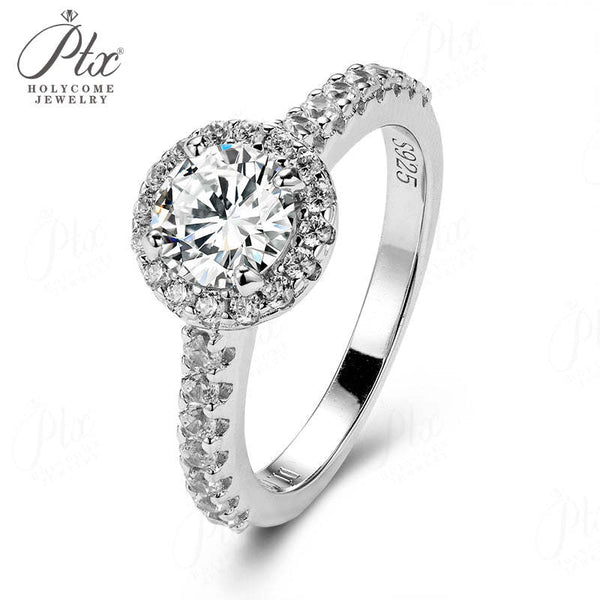
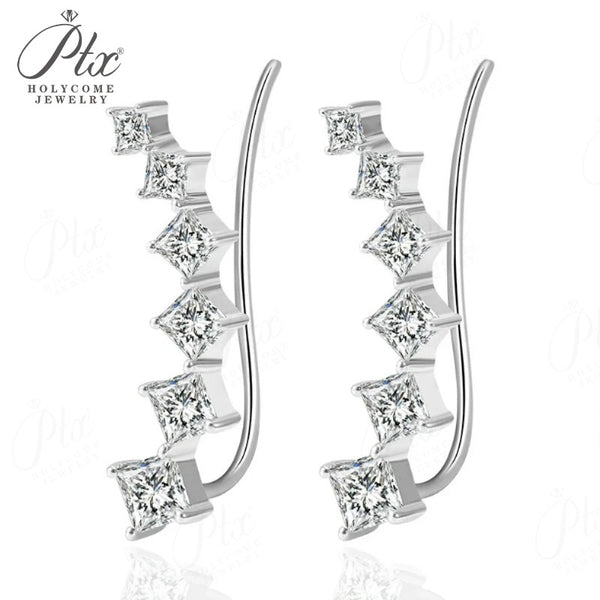
We run our own factory in Guangxi, China, and have been making jewellery since 2008. Our silver is solid 925 — 92.5% silver with a copper-based alloy, never plated brass — alongside 9K, 14K and 18K gold, set with GRA D colour VVS1 moissanite and IGI certified lab grown diamonds. Some pieces are rhodium finished for a brighter white; that finish wears and can be replated, and we would rather say so than imply otherwise.
Prices run from $17 to $2,020 with a median around $98. Shipping is free over $99, otherwise $5.99, and returns run 30 days on unworn pieces in original packaging. If you are choosing between metals and want to know what a specific piece will look like after five years of daily wear, ask us — it is a better question than the one about the photograph.