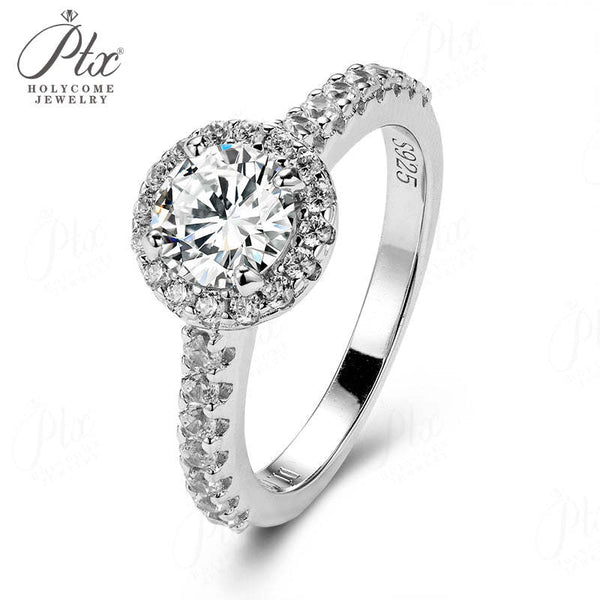
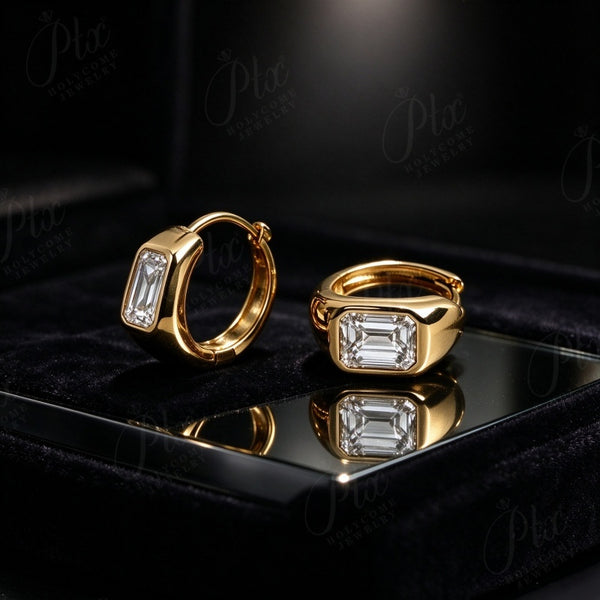
925 Silver vs 14K Gold: Is the Upgrade Actually Worth It?

Our 925 silver rings run from about $17 to $220 and sit around $98 in the middle. 14K gold in the same designs sits around $337. Platinum around $561. So the question is real: is that jump buying you something, or just buying metal?
The short answer
Solid gold buys you three things: it does not need re-plating, it holds value as material, and it will outlast you. 925 silver buys you the same design at a quarter of the price, and it needs a small amount of maintenance. Neither is a mistake. What matters is how often you plan to wear the piece.
What 925 sterling silver actually is
92.5% pure silver, 7.5% other metals — usually copper — to give it the hardness that pure silver lacks. Pure silver is too soft for jewellery; the alloy is what makes a ring hold its shape. This is why it is called "925" and stamped as such.
Two properties matter:
- It tarnishes. Silver reacts with sulphur compounds in air and on skin, producing a dark surface layer. This is a surface reaction, fully removable with a polishing cloth. It is not damage.
- It is usually rhodium-plated. Most white-looking silver jewellery has a thin rhodium layer on top for brightness and to slow tarnish. That layer wears — typically six months to three years with daily wear — and needs re-plating.
What 14K gold actually is
58.3% pure gold, alloyed with other metals for hardness and colour. 18K is 75%; 9K is 37.5%. The number is the gold content, and it is stamped inside the band.
The practical differences from silver:
- No plating. The colour is the metal all the way through. Wear it, scratch it, polish it — it is the same colour underneath.
- No tarnish. Gold does not oxidise in normal conditions. It can be cleaned but rarely needs to be.
- Repairable indefinitely. A gold band can be polished and re-finished repeatedly. A plated silver piece can only be re-plated so many times before the base metal shows wear.
- Material value. Gold has scrap value. A 14K ring is worth something as metal even if the design dates. Silver's scrap value is small by comparison.
The cost of ownership, honestly
The sticker price is not the whole cost. Over ten years of daily wear:
- 925 silver, rhodium plated — expect three to five re-platings at a local jeweller. Each is inexpensive, but it is time and trips. The piece will also show wear at the prongs eventually.
- 14K gold — occasional polish, no scheduled maintenance. Ten years on, it looks like a slightly worn version of itself.
If you add re-plating over a decade, the gap narrows. It does not close — gold is still meaningfully more expensive — but it is not the multiple that the sticker suggests.
When silver is the right answer
- The piece is a trial. You want to see whether you actually wear a ring before committing to gold.
- It is a fashion or occasional piece. Worn a few times a month, plating lasts far longer.
- You want multiple pieces. Three silver rings in different styles cost less than one gold ring. If variety matters more than longevity, silver wins.
- The design is trend-driven. Paying gold prices for a shape that will feel dated in three years is a poor trade.
When gold is the right answer
- It is an engagement or wedding ring. Worn every day for decades, plating maintenance becomes a chore and the durability pays for itself.
- You have metal sensitivity. Solid gold (especially 14K and 18K) is reliably nickel-free in most alloys; some silver alloys and plated pieces are not. If you react to cheap jewellery, this is often the deciding factor.
- It is an heirloom. A gold piece can be passed down and resized repeatedly. Plated silver cannot be resized as many times.
- You want one piece, not five. Buying once is usually cheaper than buying three times.
What about platinum
Platinum sits above gold in price — our pieces centre around $561 — and buys density, weight, and a naturally white colour that never needs plating and never yellows. It is also the most durable of the three for a daily-worn setting. It is the choice when the ring is meant to be worn continuously for a lifetime and cost is secondary.
A note on gold content and colour
Higher karat is not automatically better. 18K is softer than 14K, which is softer than 9K, because gold itself is soft. For a ring worn daily with prongs holding a stone, 14K is usually the practical sweet spot: enough gold to be genuinely gold, enough alloy to hold prongs tight. 18K is beautiful and holds colour richly, but prongs wear faster. 9K is the most durable of the three and the most affordable, at the cost of a slightly less saturated colour.
Colour is also alloy-dependent, not karat-dependent. White gold is rhodium-plated yellow gold in most cases — so white gold does need occasional re-plating, unlike yellow or rose gold. This catches people out.
How to decide in one minute
- Will you wear it more than three times a week? If yes, lean gold.
- Is it an engagement or wedding ring? If yes, gold or platinum.
- Are you still deciding whether you like the style? Silver.
- Do you react to cheap jewellery? Gold, and ask specifically about nickel content.
- Is the budget fixed and the design more important than the metal? Silver, and accept the re-plating.
We make the same designs in rhodium-plated 925 silver, solid 9K, 14K and 18K gold, and platinum. If you tell us how often you plan to wear a piece, we will tell you which metal we would put it in — including when the honest answer is the cheaper one.