


-
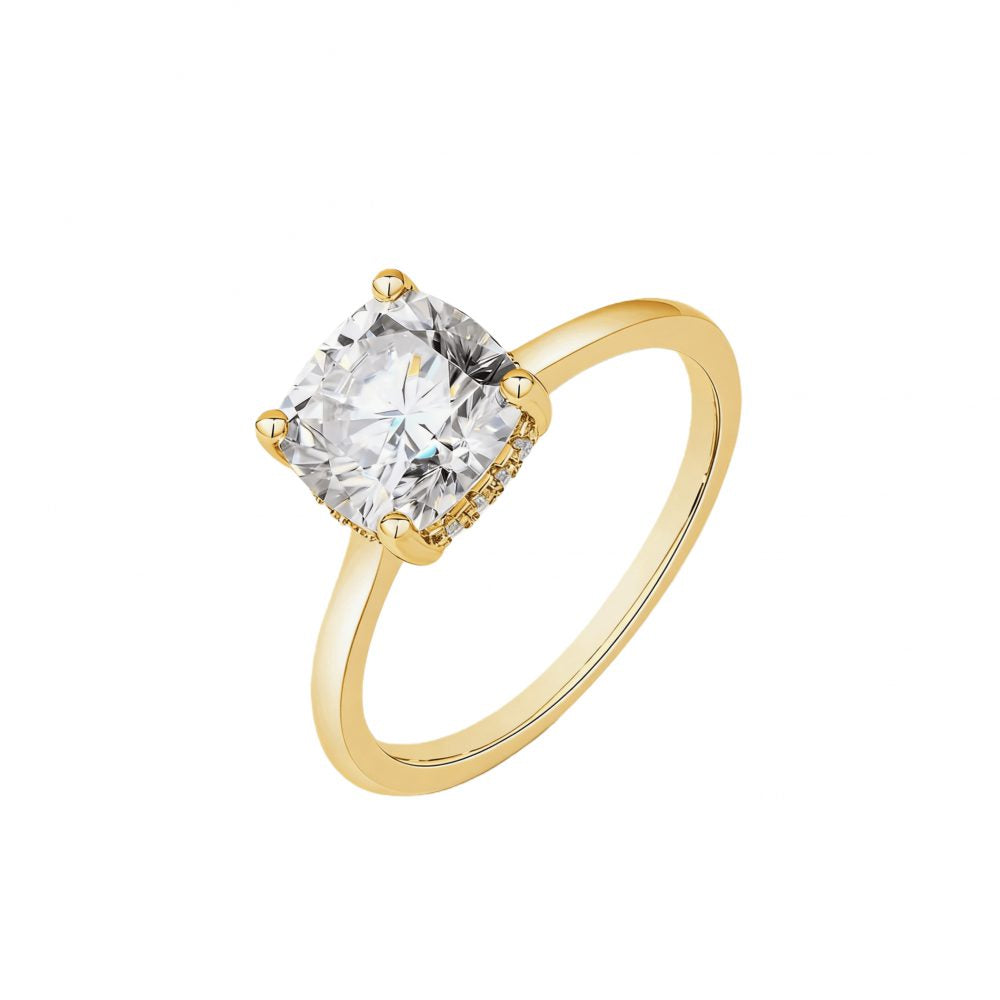
Tension Settings: What the Marketing Leaves Out
A genuine tension setting holds the stone by the spring force of a hardened metal band pressing into two flats cut in the stone's girdle. -
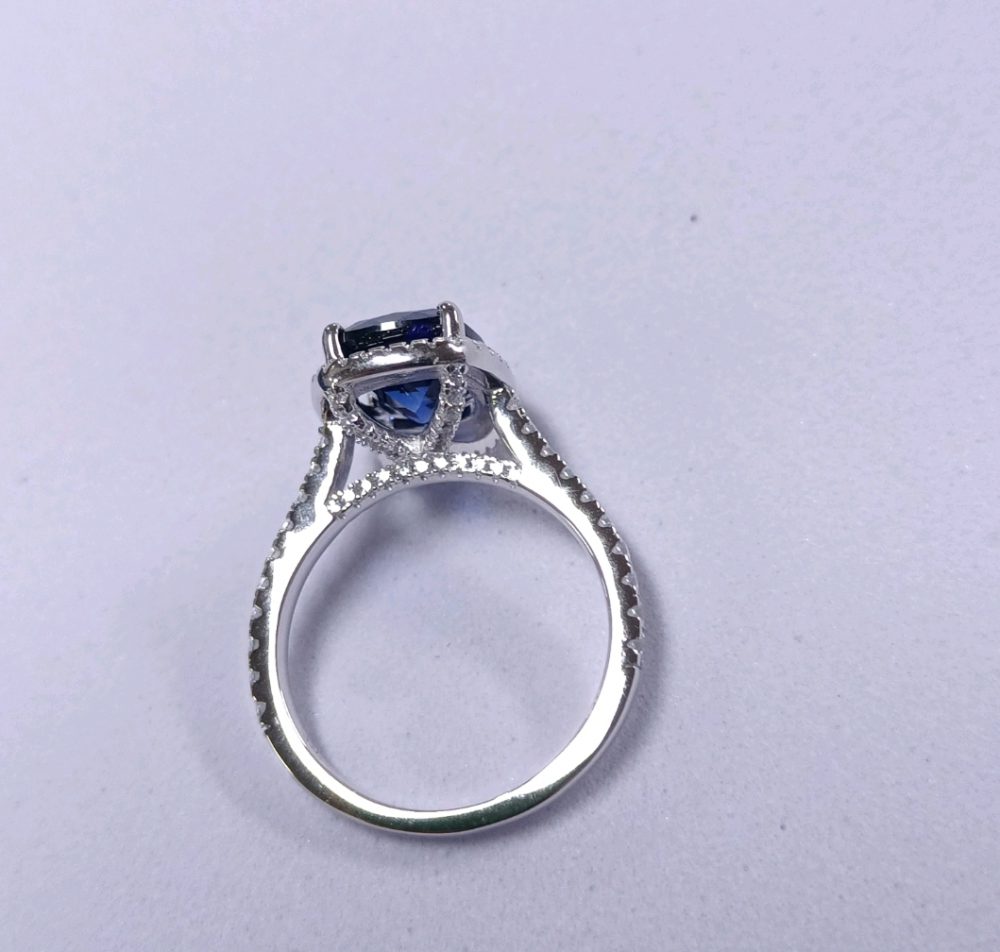
Setting Height Changes Ring Size: The Measurement Most People Miss
Setting height changes the size you should order, even though the shank is identical. A high head raises the ring's centre of mass -
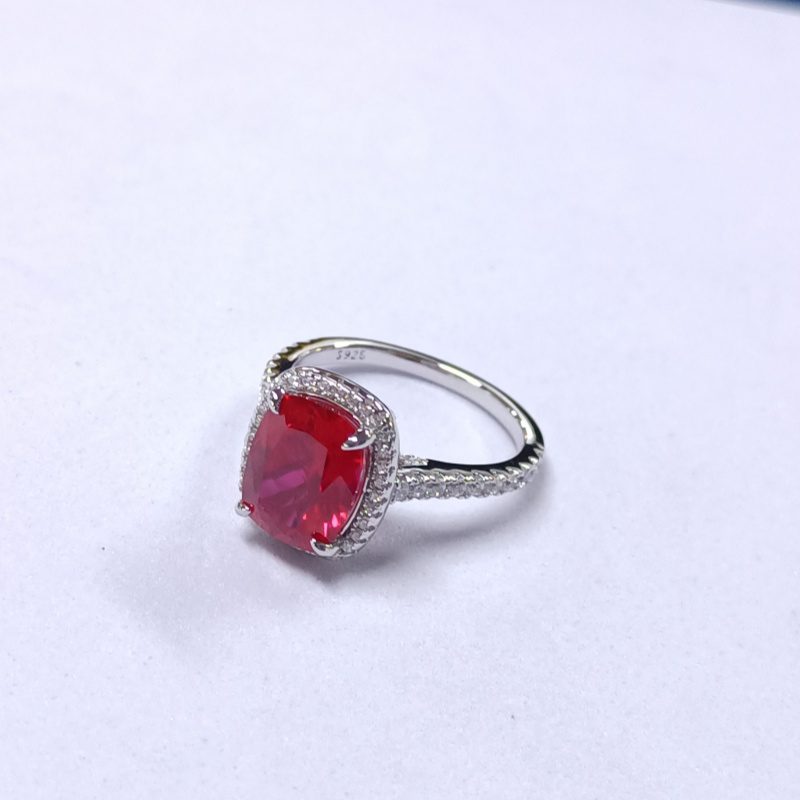
Side Stone Settings: Channel, Pavé, Bar and Bead Compared
Side stones fail differently depending on how they are held. Channel settings trap stones between two rails, so loss is rare but replacement is difficult -
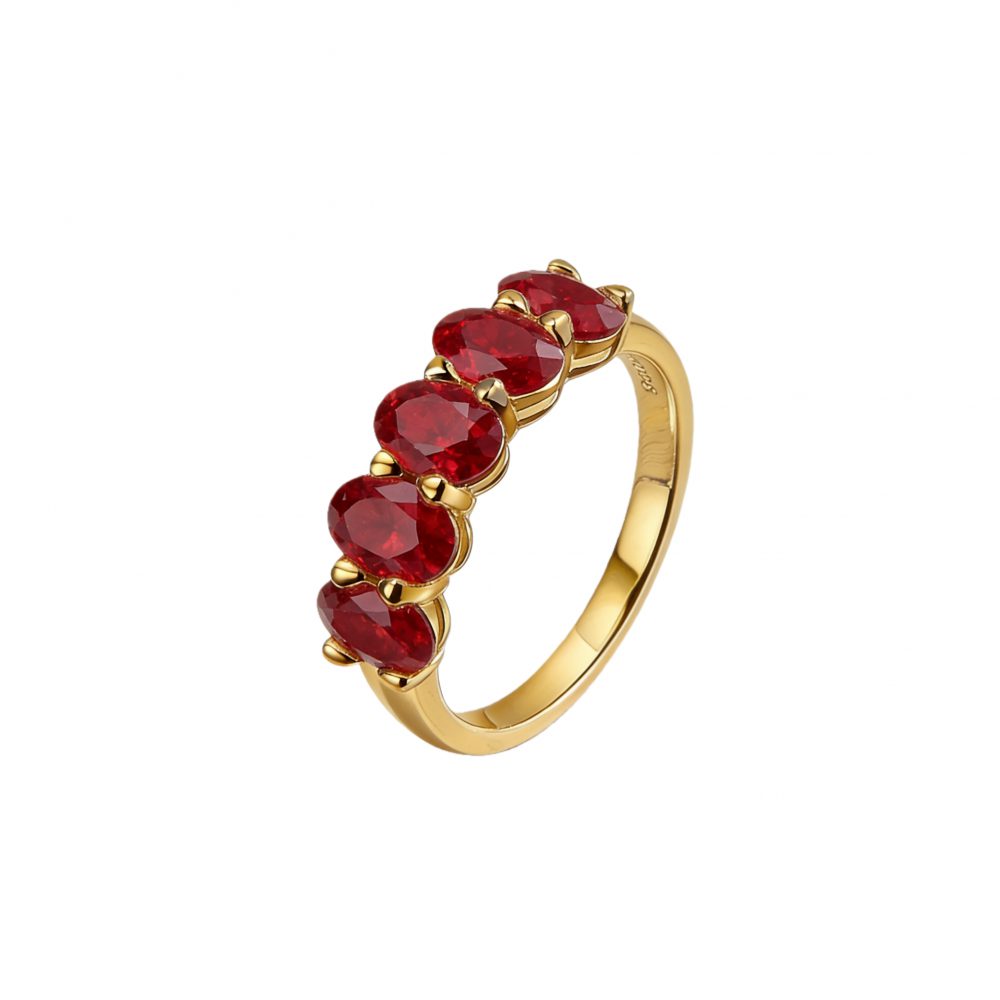
Three-Stone Ring Proportions: The Ratio That Makes It Look Wrong
A three-stone ring reads correctly when the side stones are small enough to support the centre and large enough to register as a deliberate group. -
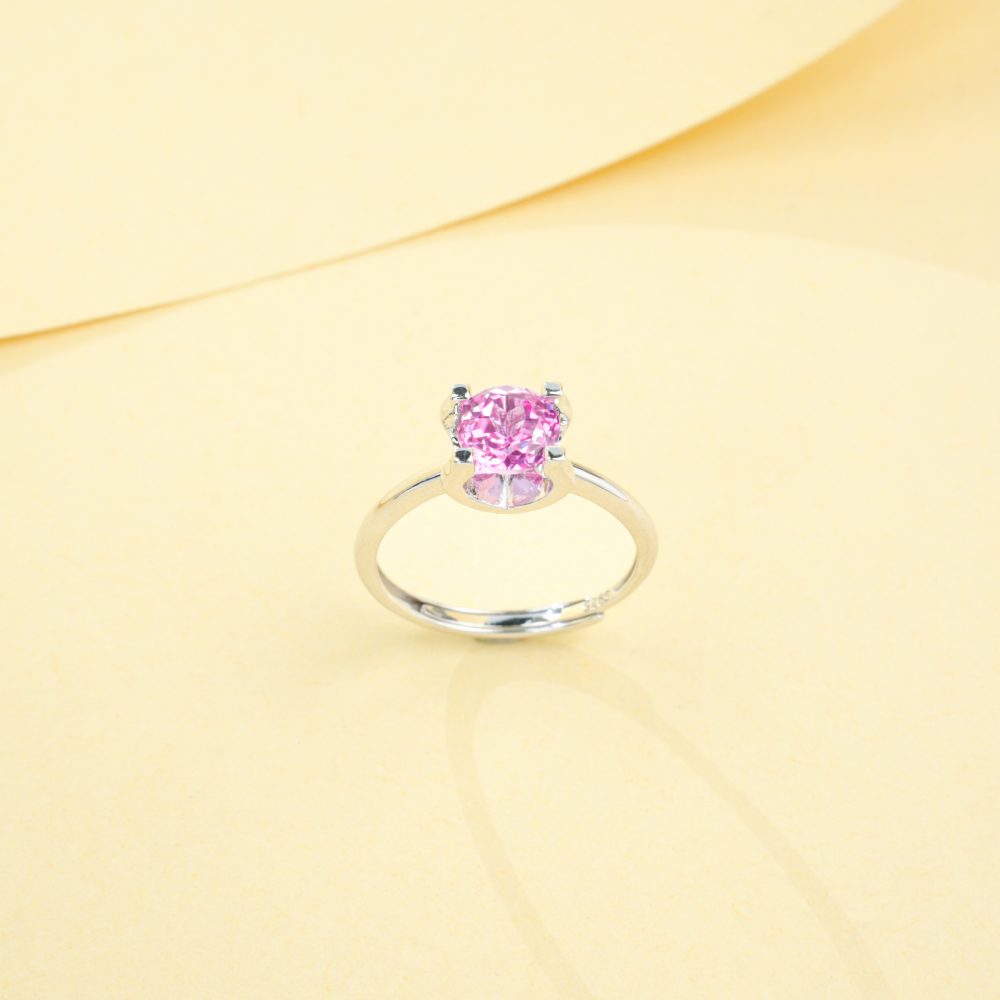
Bezel vs Halo for Daily Wear: What Actually Survives
A bezel wins on survival. Halo settings put 20 to 40 small stones at the highest wear point on the ring, and that is where the repair cost comes from. -
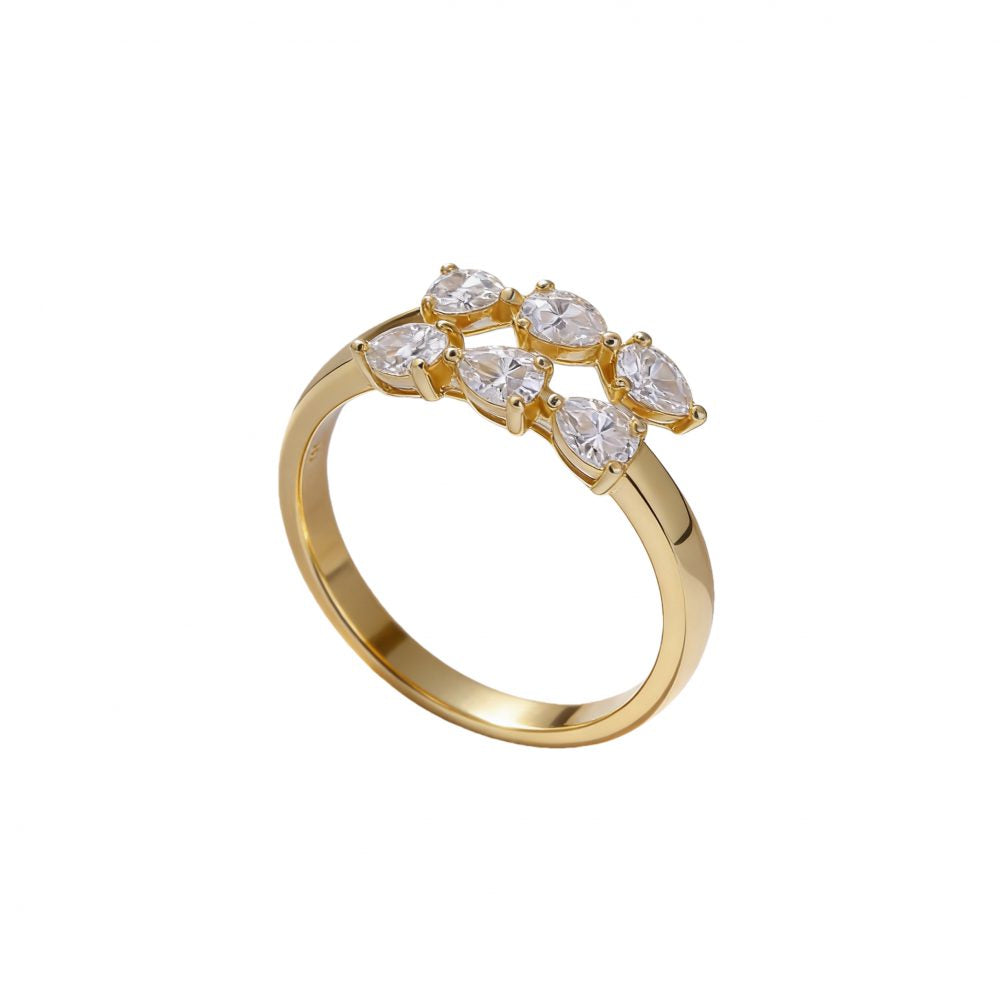
Prong Tip Replacement: When It Is Cheap and When It Is Not
Re-tipping prongs is cheap when the prongs still have metal to work with — the jeweller files a new lip, polishes and re-sets. -
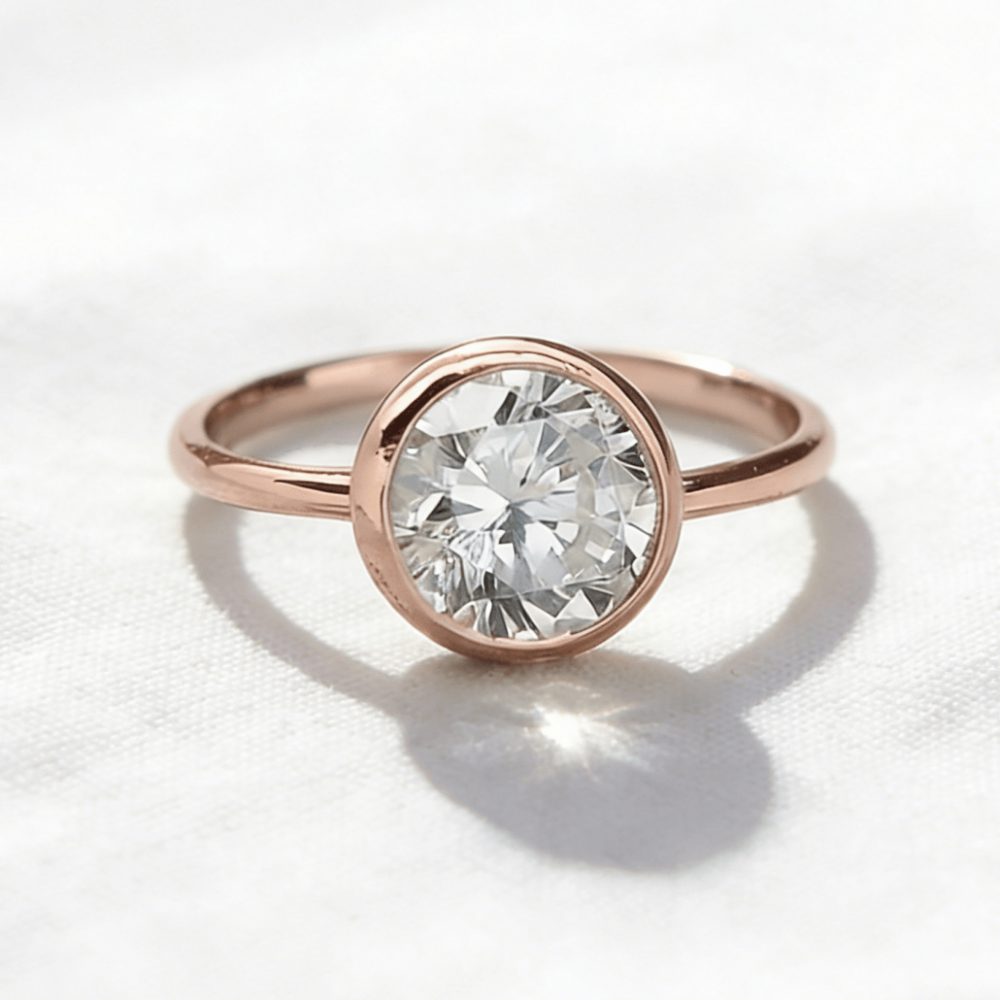
The Gallery Rail: The Small Bar That Stops Prongs Spreading
The gallery rail is the horizontal bar running around the bottom of a prong setting, connecting all the prongs into one frame. -
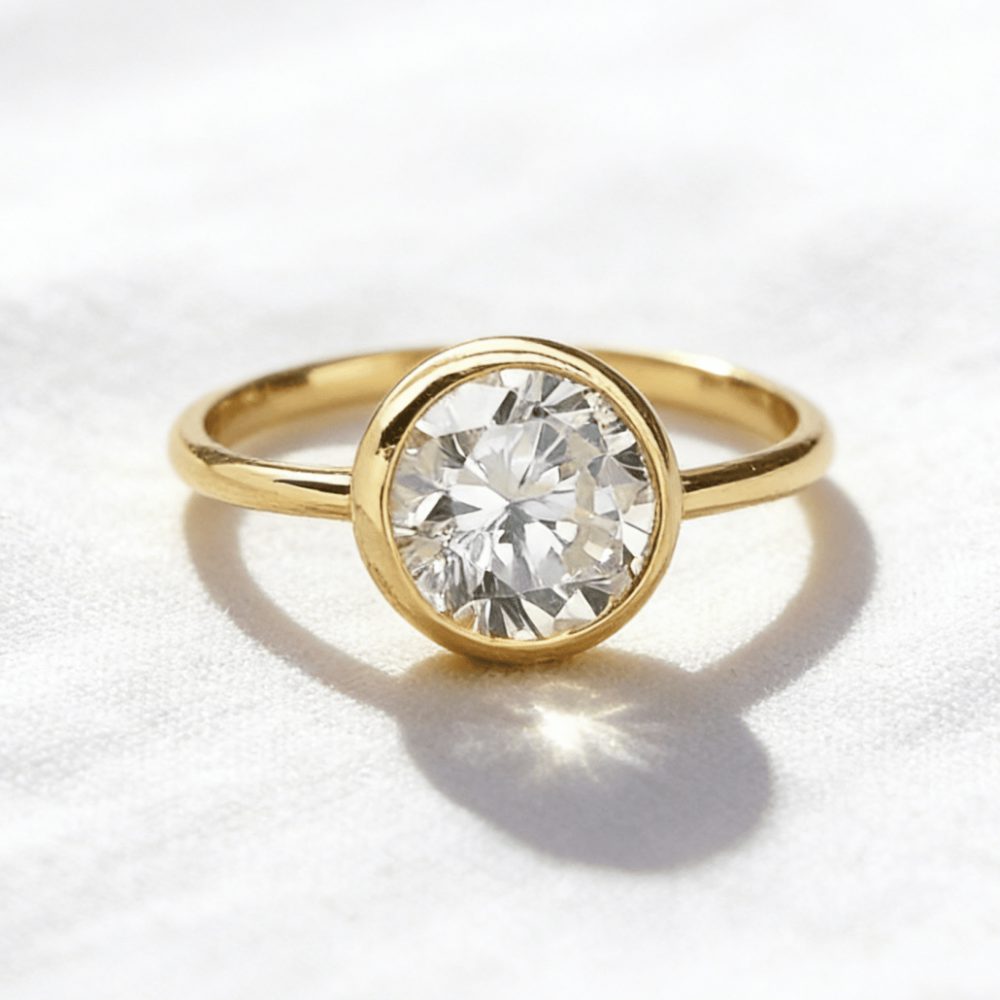
Peg Head vs Basket Head: The Failure Mode Each One Has
A peg head is a shank with a post soldered on top and a basket dropped onto the post; a basket head is the cage — gallery, rail and prongs — and it can be -
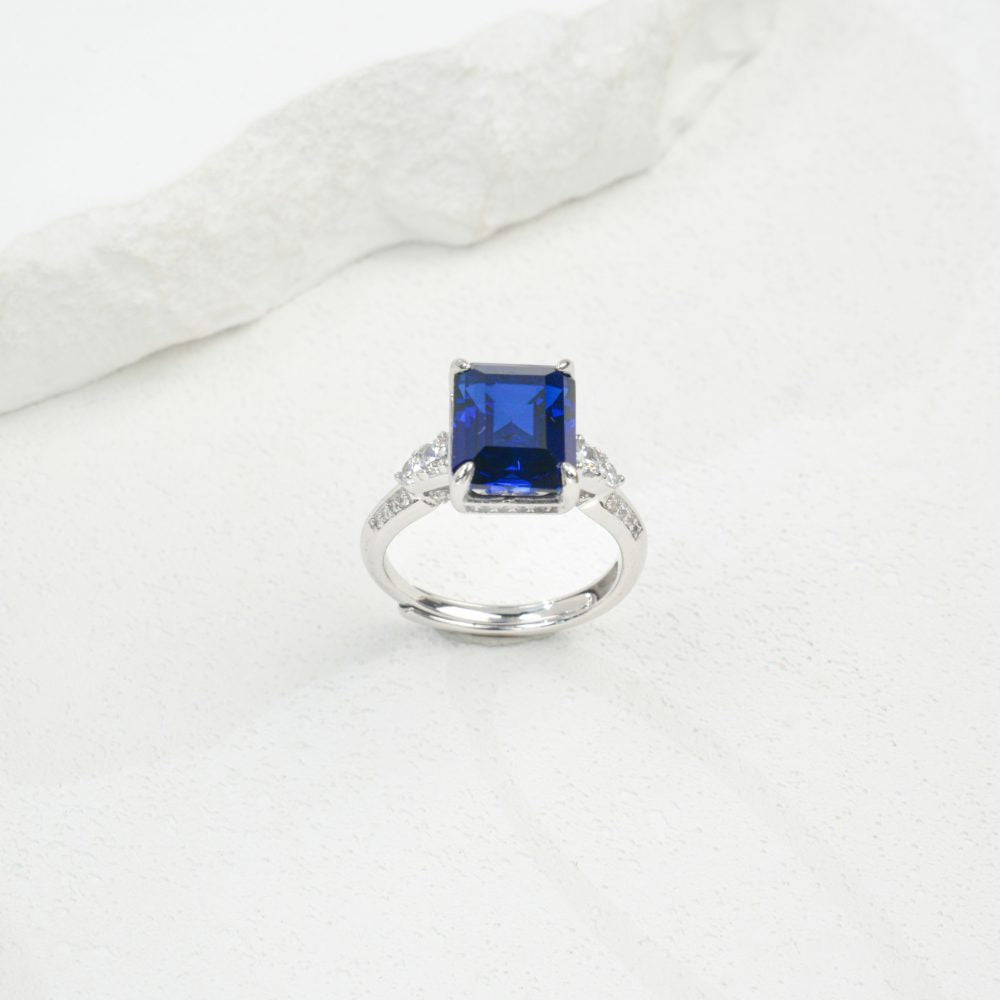
Cathedral vs Basket Setting: Where the Price Difference Comes From
The price gap between a cathedral and a basket setting is not style — it is where the metal goes. A cathedral fixes the head by growing the shank into two -
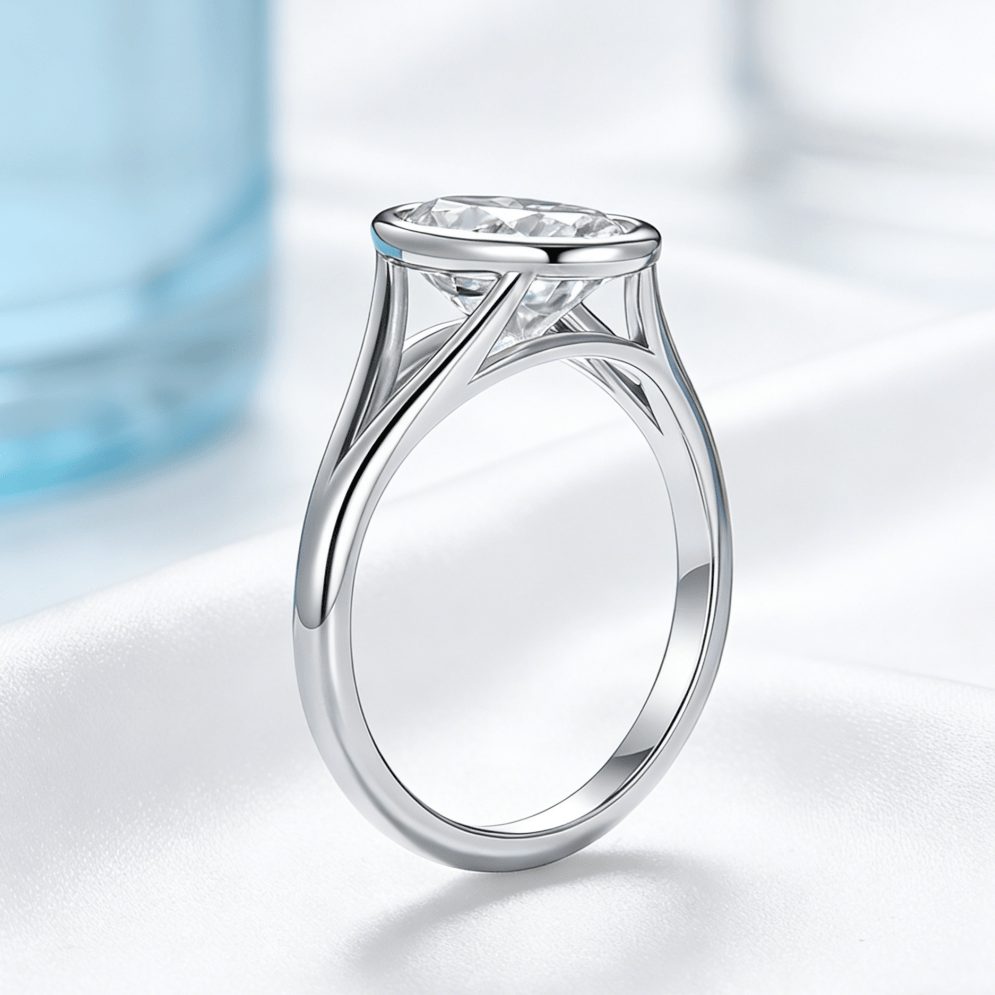
The Cathedral Arch: How the Support Curve Distributes Load
In a cathedral setting the shank does not stop under the stone — it splits into two curved shoulders that rise and meet the head at the top. -
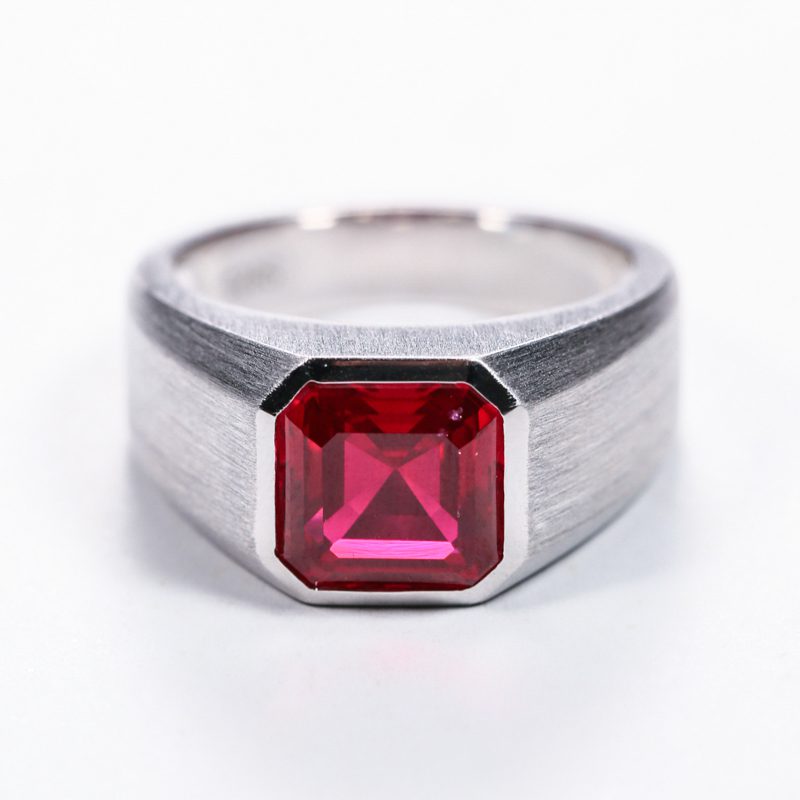
How to Spot a Bad Moissanite Setting Before the Stone Falls Out
A bad setting fails in four visible places: prongs that sit too short over the crown, a stone held off-angle, a gallery with no support underneath, and -
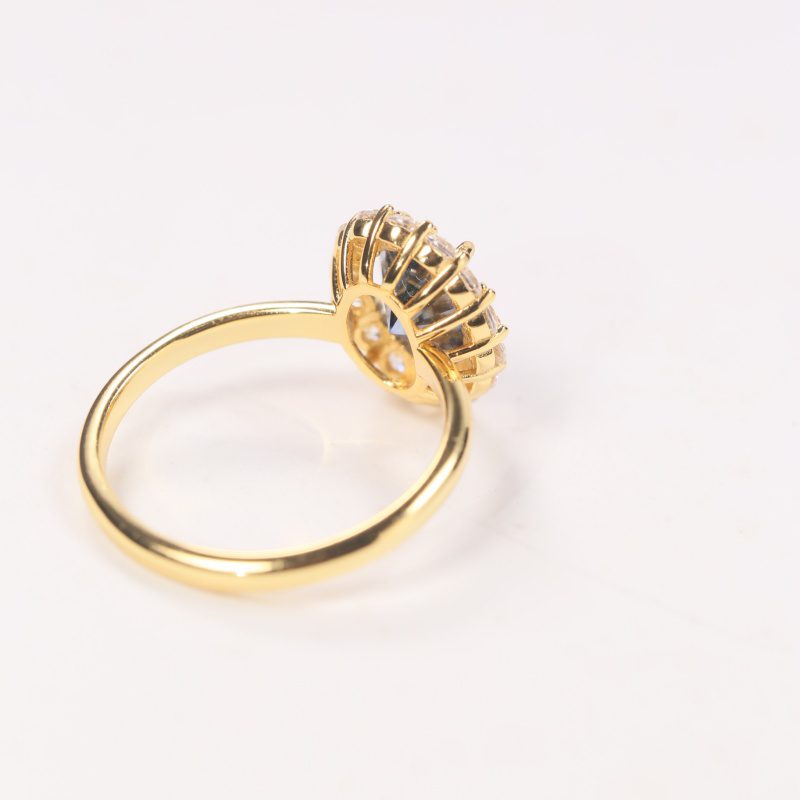
Home Tests for Moissanite: Which Ones Work and Which Ones Do nothing
One home test works and one is nearly worthless. The thermal test separates moissanite from diamond, and the scratch test tells you nothing you can trust. -
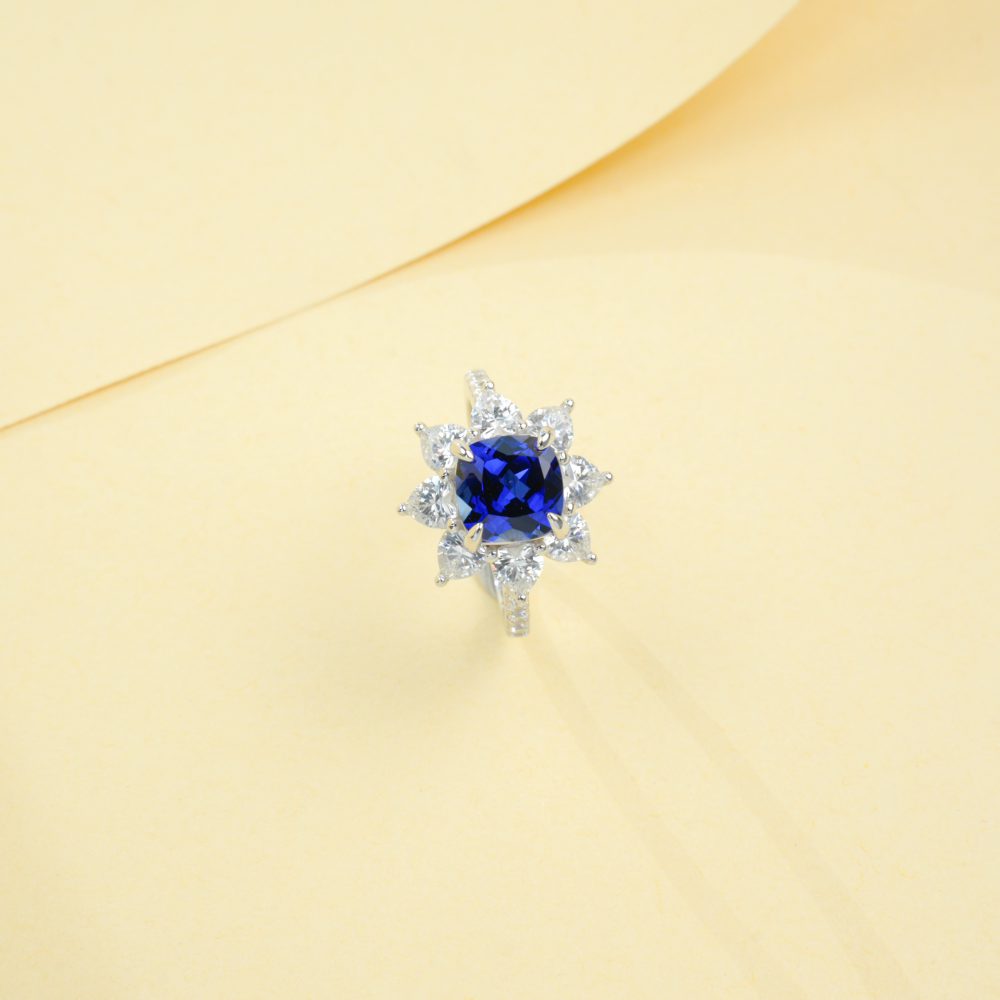
Moissanite vs White Topaz: The Fire Difference You Can See
Moissanite and white topaz look alike on the shelf and behave differently under a lamp. Moissanite is silicon carbide with dispersion around 0.104 -

Moissanite vs White Sapphire: Telling Them Apart Without Tools
Moissanite and lab-grown white sapphire are told apart without tools by two things: fire and body color. -
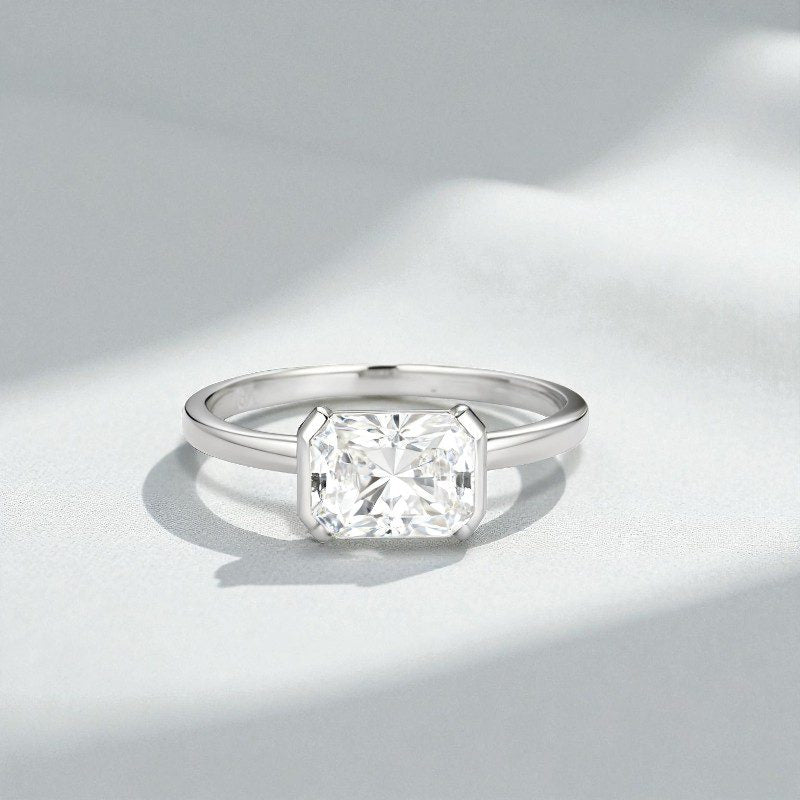
Birefringence in Moissanite: The Doubling You Can See at 10x
Moissanite is birefringent, meaning light entering it splits into two rays that travel at different speeds and leave through slightly different points. -
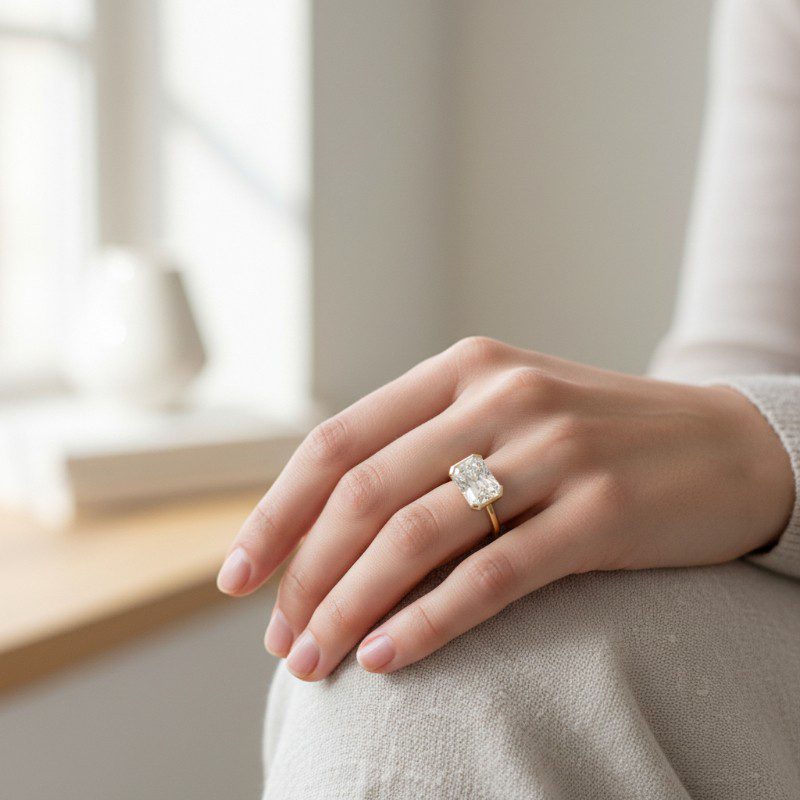
Silicon Carbide vs Diamond: Why Moissanite Sparkles Differently
Moissanite is silicon carbide, SiC — silicon and carbon atoms in a covalent crystal lattice. Diamond is carbon, C, in a different lattice. -
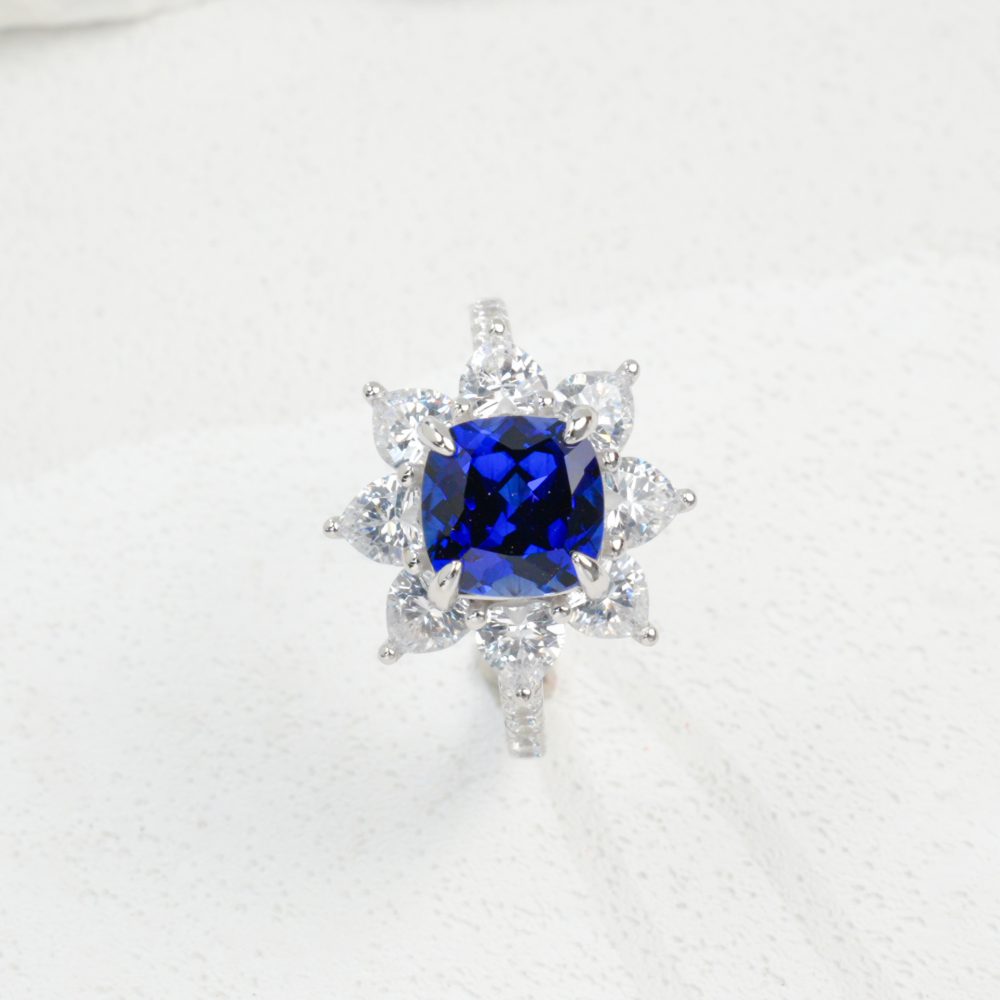
The Oil Film on Moissanite: Why Your Stone Looks Dull After a Week
A moissanite that looks dull after a week of wear is almost never a changed stone. It is a film: skin oil, soap -
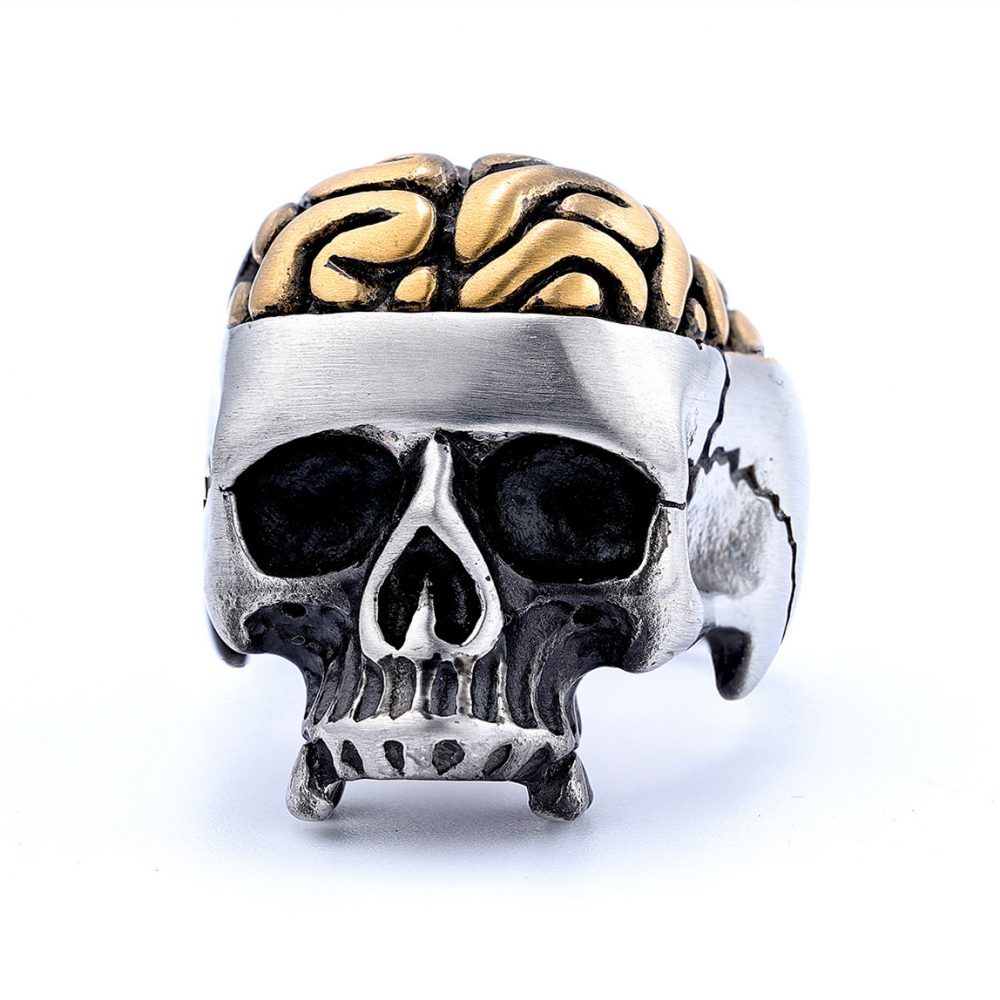
Cleaning a Cloudy Moissanite Ring: What Works and What Scratches
Warm water, one drop of dish soap and a soft toothbrush worked into the pavilion will clean a cloudy moissanite in ten minutes without touching the stone. -
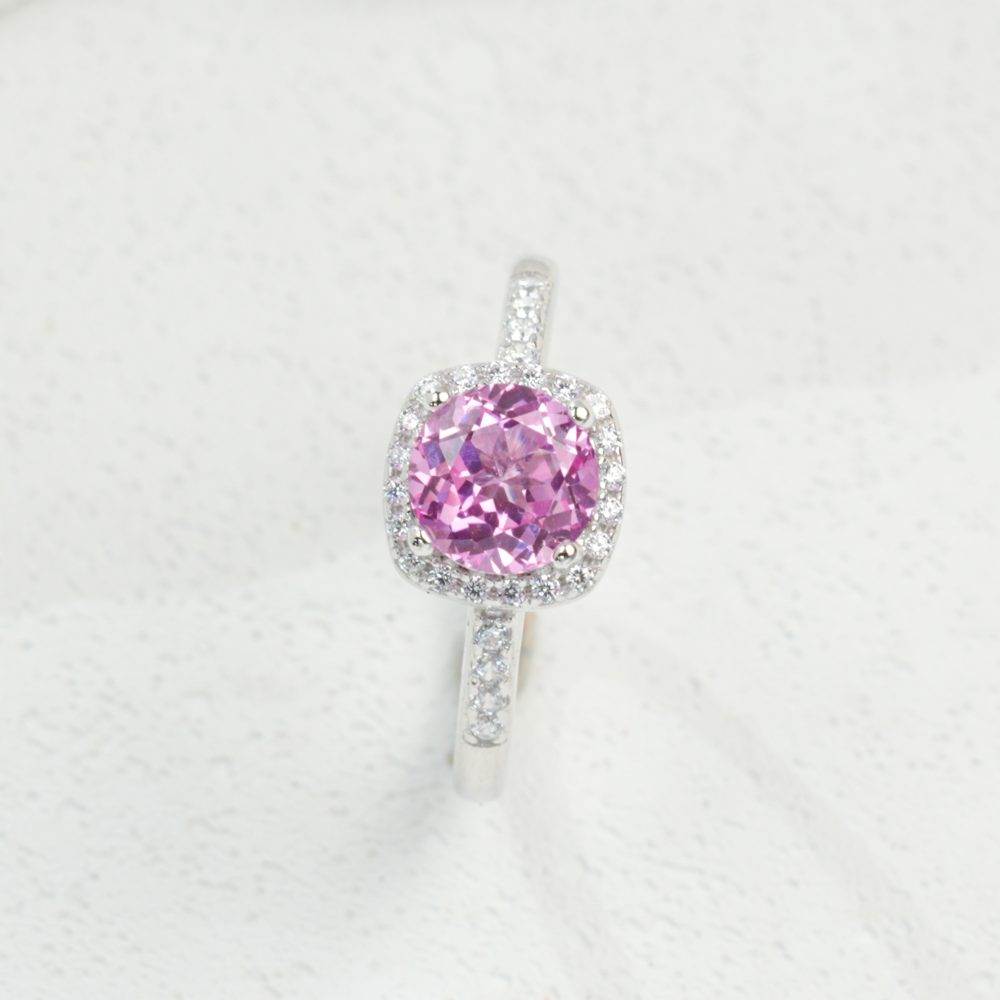
Why Moissanite Turns Cloudy: The Two Causes and Only One Is Permanent
Moissanite turns cloudy for two reasons, and only one of them happens to the stone. A film of skin oil, soap and hand cream sits on the pavilion -
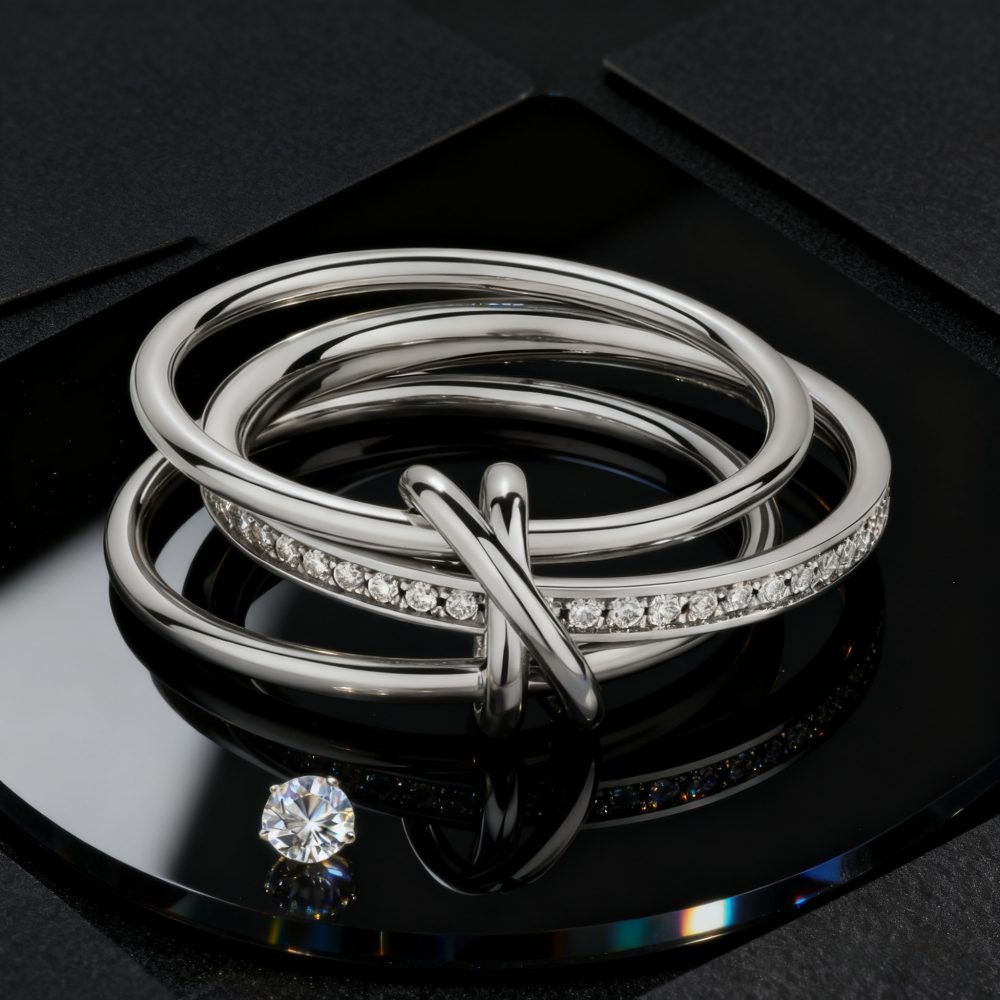
When Buying CZ Is Genuinely the Right Call
Buying CZ is the right call when the piece will not take wear, when the budget is genuinely fixed, and when you are testing a design before committing to -
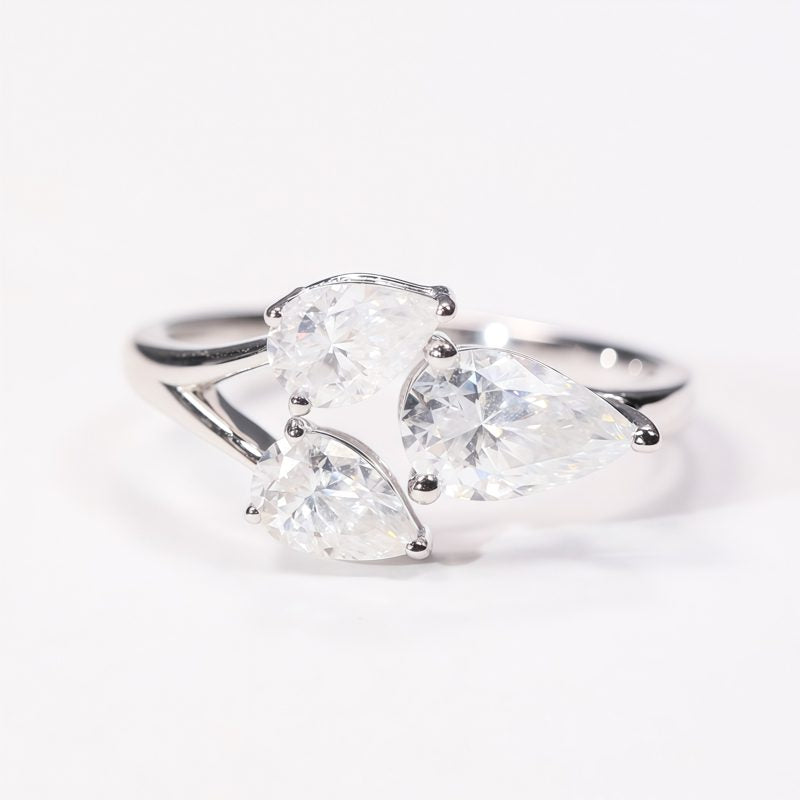
Moissanite vs CZ Price per Carat: The Real Multiple
Per carat of finished stone, moissanite typically costs several times what CZ costs, and the exact multiple moves with size, cut and source. -

Why CZ Jewelry Has Almost No Resale Value, Whatever the Receipt Says
CZ jewelry has almost no resale value because the stone is a commodity and the metal is usually the only recoverable part. -
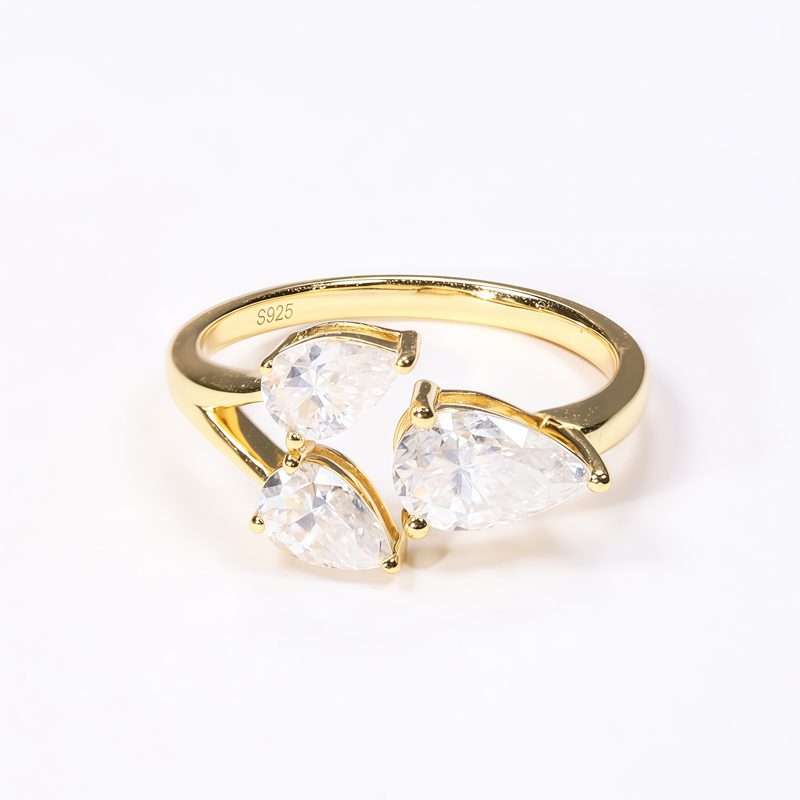
Why CZ Clouds Over Time and Moissanite Does Not
CZ does not cloud from the inside. The cloud is surface abrasion and oil film, and it is the one wear problem that polishing actually fixes. -
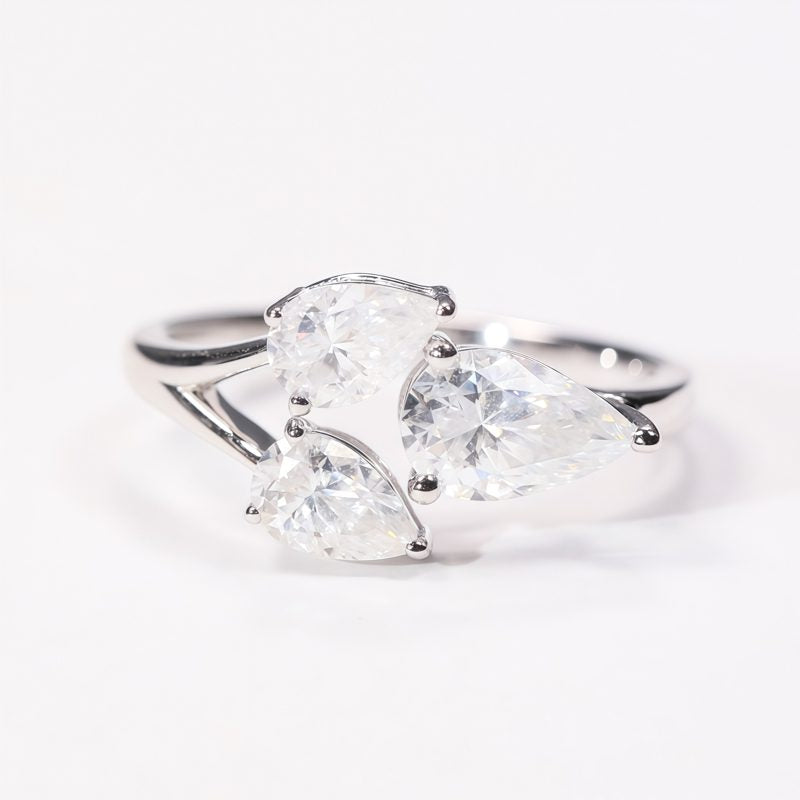
Zircon the Gemstone: Not a Diamond Substitute, a Stone With Its Own Case
Zircon is zirconium silicate, ZrSiO4 — a natural mineral, not a synthetic and not a diamond stand-in. -
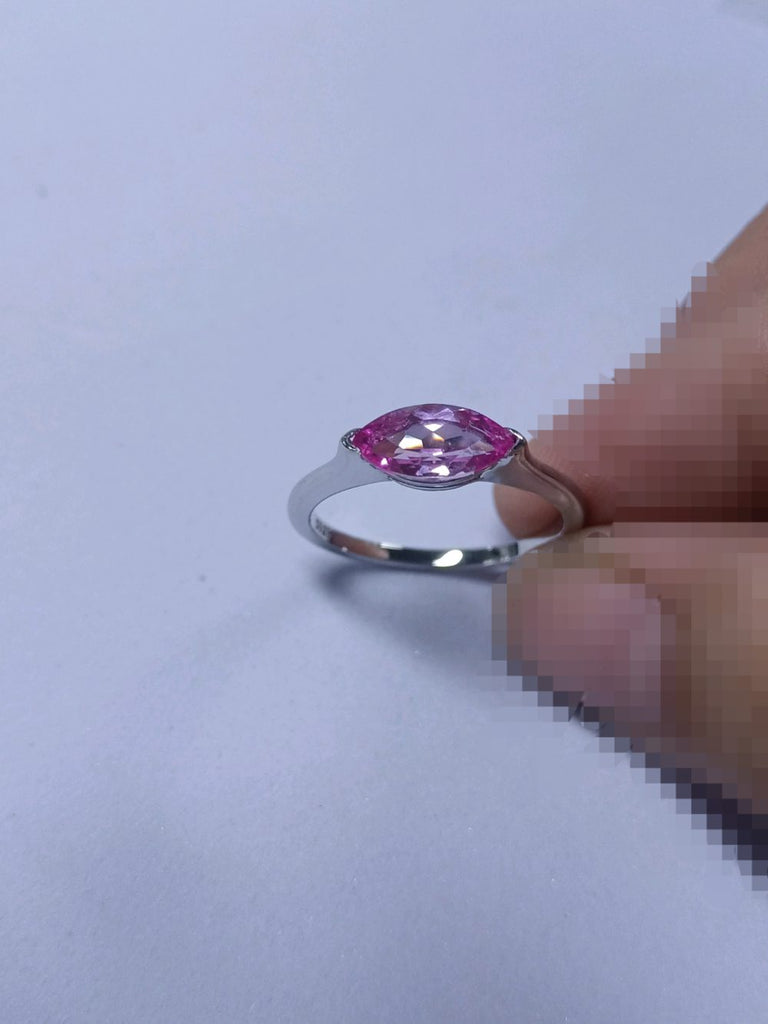
CZ vs Diamond vs Moissanite: Ranking by Hardness, Fire and Cost
Ranked by hardness the order is diamond at 10, moissanite at 9.25, CZ at 8–8.5, and natural zircon at 6–7.5. -
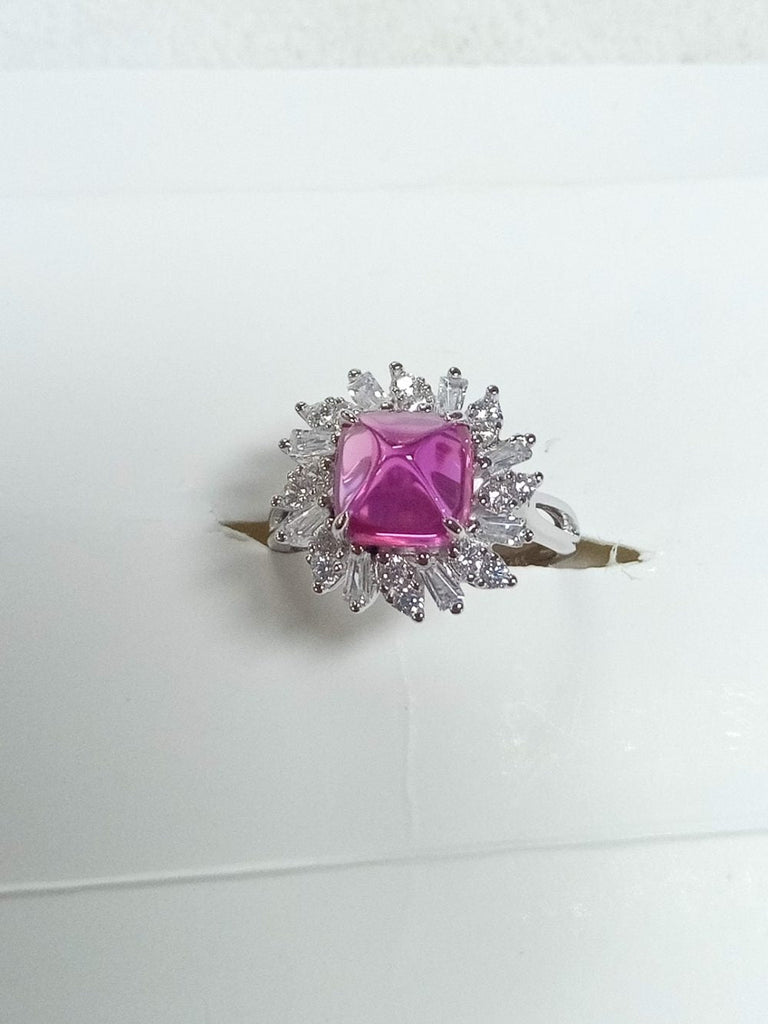
CZ Hardness: Why a 3-Year-Old CZ Looks Different From a New One
CZ sits at 8–8.5 on the Mohs scale, which sounds hard until you compare it to the 7 of quartz dust, the 5.5 of glass and the 9.25 of moissanite. -
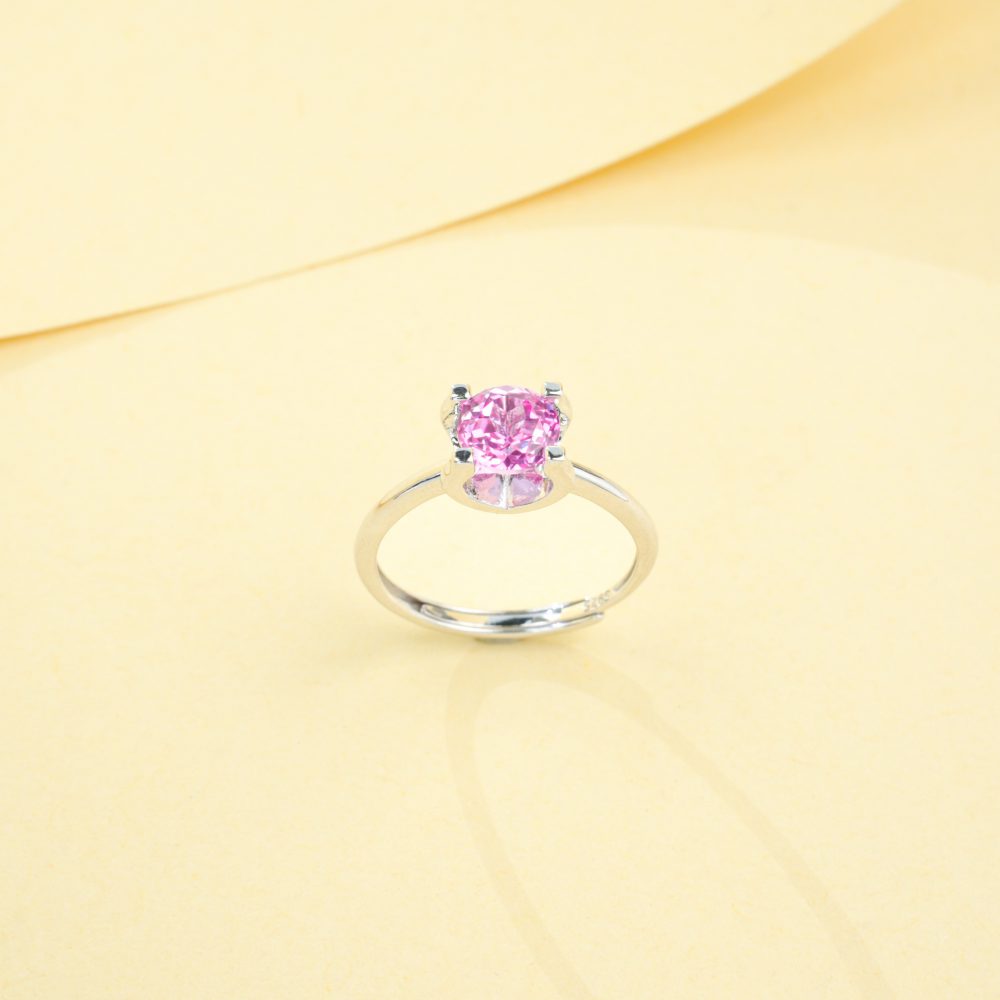
Is CZ the Same as Zircon? No, and the Difference Changes the Price
No. CZ is cubic zirconia, zirconium dioxide, ZrO2, a synthetic material at 8–8.5 Mohs. Zircon is zirconium silicate, ZrSiO4 -
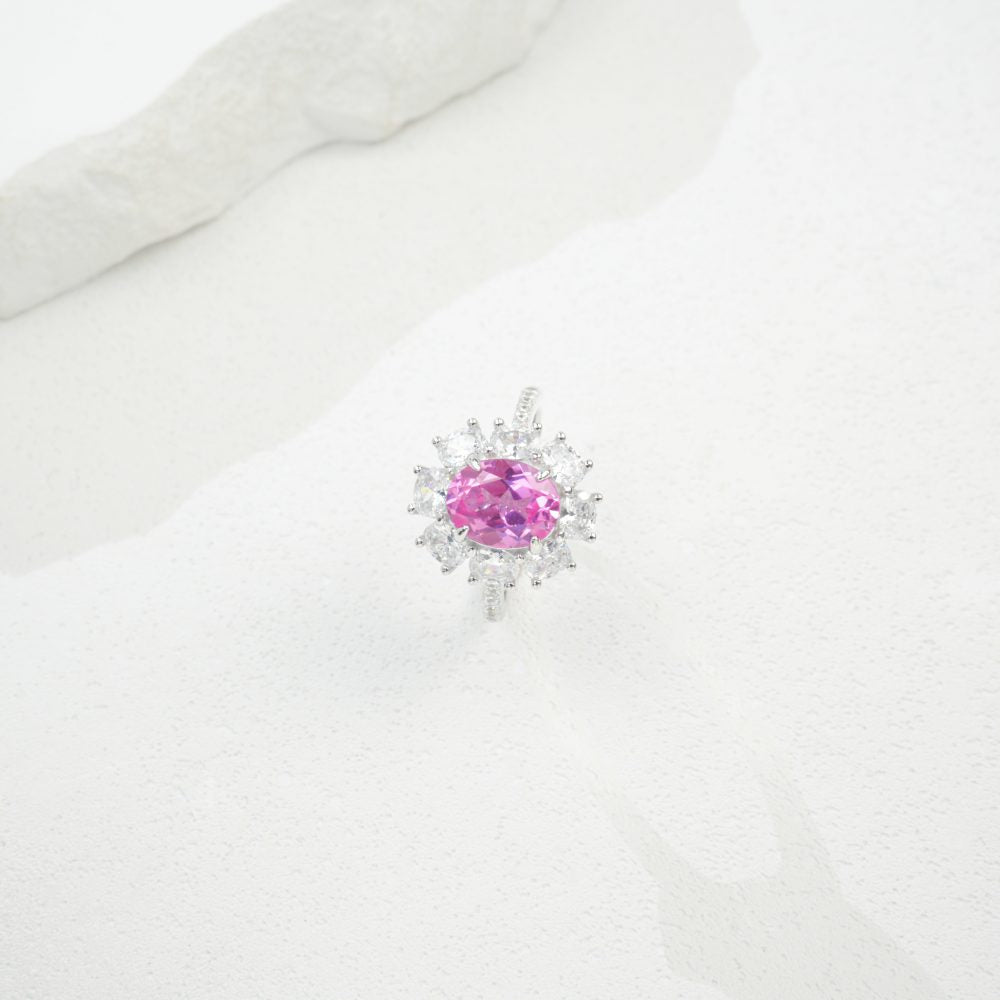
Moissanite vs CZ Side by Side: The Four Tests That Separate Them
Four tests separate moissanite from CZ without any instrument: doubling under a loupe, weight in the hand, heat response, and how the edge wears. -
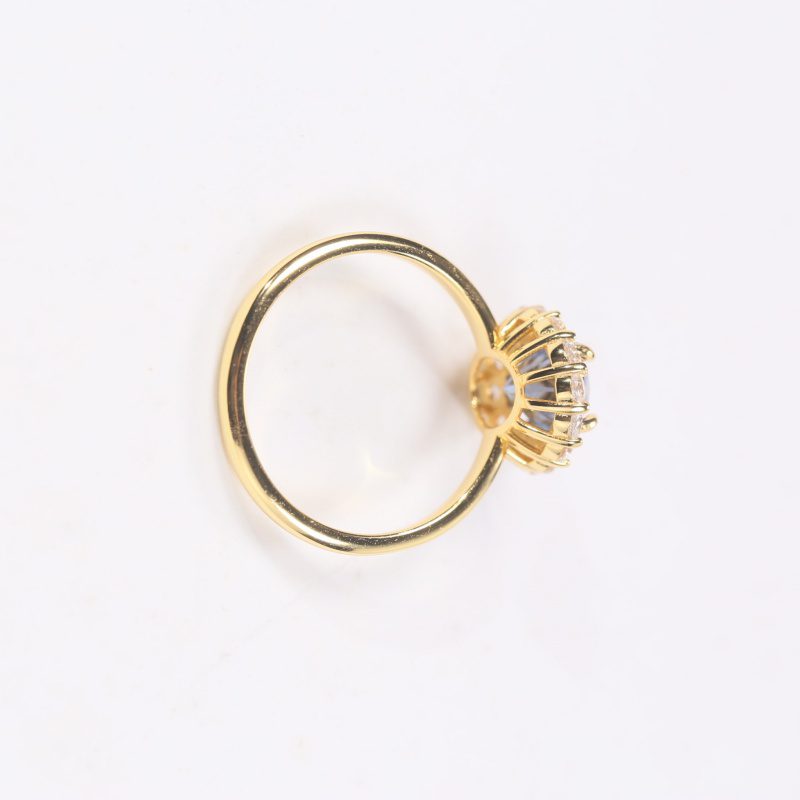
Cubic Zirconia vs Moissanite: Price, Hardness and How Long Each Lasts
Cubic zirconia and moissanite are different materials, not grades of the same one. CZ is cubic zirconium dioxide -
Chain Length vs Chain Type: The Combination That Decides Where a Necklace Sits
Chain length sets the vertical position and chain type sets the horizontal behaviour — whether the necklace lies flat, sits proud, or swings. -
Which Chain to Use for a Heavy Pendant
For a heavy pendant, structure matters more than width: choose a soldered box, a wheat, or a wide soldered rolo, and then size the width to the weight. -
Chain Width in mm: What 1.2mm to 6.5mm Looks Like on a Neck
Chain width in millimetres is a diameter of the chain, not of a pendant, and it changes the look faster than the price.
Holycome celebrates real women by making them feel individual and confident every day. Because luxury is a feeling no longer defined by expense or exclusivity, but by expression and exceptional quality of craftsmanship.


